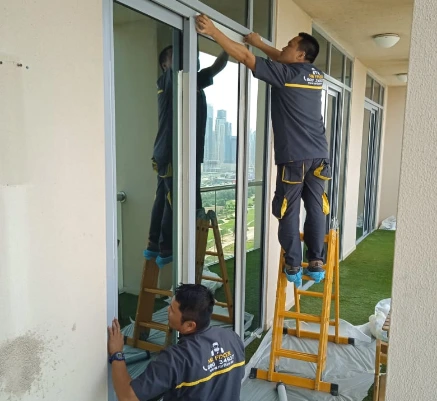
Planning home renovations can feel stressful if costs are unclear. Understanding expenses helps avoid surprises and makes projects more manageable. When considering home improvement in Dubai, realistic budgeting allows homeowners to prioritize upgrades, track spending, and adjust plans without causing unnecessary financial strain.
Here’s how to set a realistic budget:
Start with a Clear Goal:
Decide what you want to achieve before setting numbers. Whether it’s remodeling a kitchen or repainting walls, clear goals guide the budget. Knowing the scale of the work helps in estimating costs more accurately and prevents spending on unplanned upgrades during the project.
Research Costs Carefully:
Investigate prices for materials, labor, and equipment in your area. Prices can vary depending on suppliers and season. Gathering information helps create a realistic expectation of what each part of the project will cost, and avoids last-minute surprises that can disrupt the budget.
Include Labor and Professional Fees:
Hiring skilled professionals affects the budget more than materials alone. Contractors, designers, or specialized workers add value but also add cost. Including these fees from the start helps plan for the full financial commitment and reduces the risk of overspending once the project begins.
Plan for Extra Expenses:
Unexpected issues often appear during renovations, such as hidden damage or changes in design. Adding a buffer of around 10 to 15% of the total estimate helps manage surprises without stopping the work. This safety margin allows homeowners to handle small setbacks calmly.
Prioritize Projects:
If funds are limited, list projects by importance. Focus first on upgrades that improve safety, functionality, or prevent damage. Less urgent aesthetic improvements can be delayed until the budget allows. Prioritizing helps keep the project moving without exceeding financial limits.
Track Spending Closely:
Keep a record of every payment and receipt. Comparing actual spending to the budget shows whether adjustments are needed. Monitoring costs helps identify areas where savings can be made, making sure that money is spent wisely throughout the project.
Review and Adjust:
Budgets are guides, not rigid rules. Reviewing estimates as work progresses allows homeowners to adapt to changes in materials, labor, or personal preferences. Adjustments help keep the project realistic and manageable while still achieving the desired results.
A realistic budget makes home improvement projects less stressful and more successful. Clear goals, research, planning for labor and extra costs, and tracking spending carefully create control over finances, helping homeowners complete upgrades without financial strain.